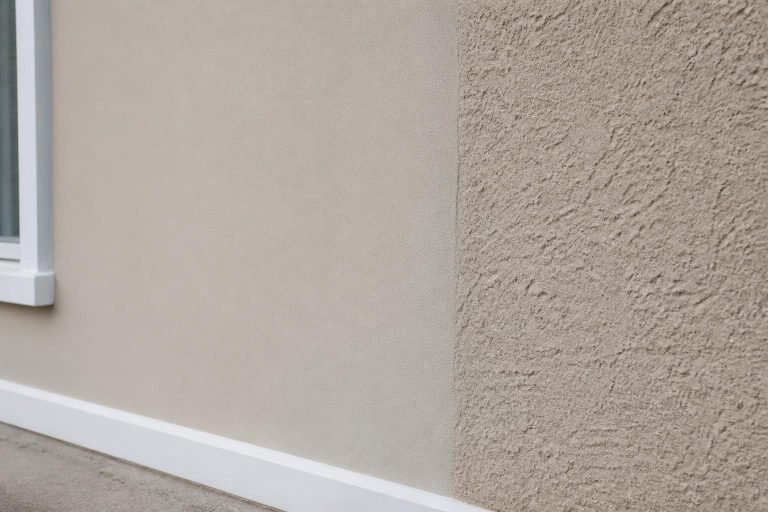
In most Mesa homes, drywall is the interior wall and ceiling material, while stucco is the exterior finish on the outside of the house. They look different, are made of different materials, and are repaired in completely different ways. Here is how to tell them apart and what it means when either one needs fixing.
The short answer
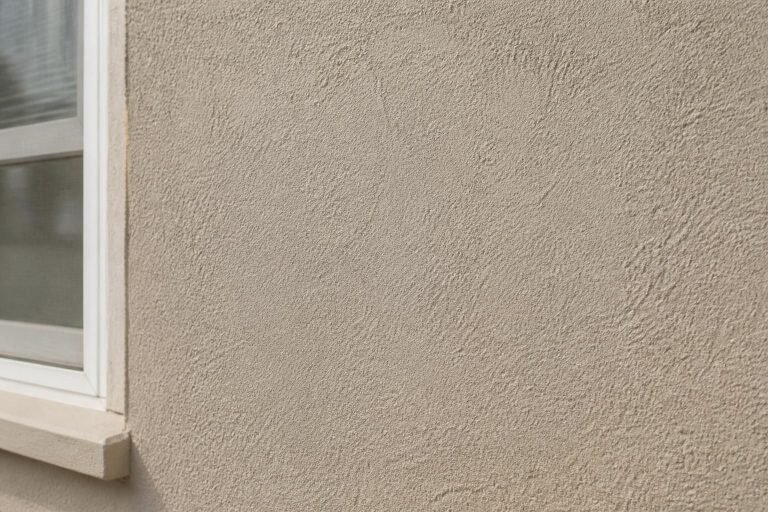
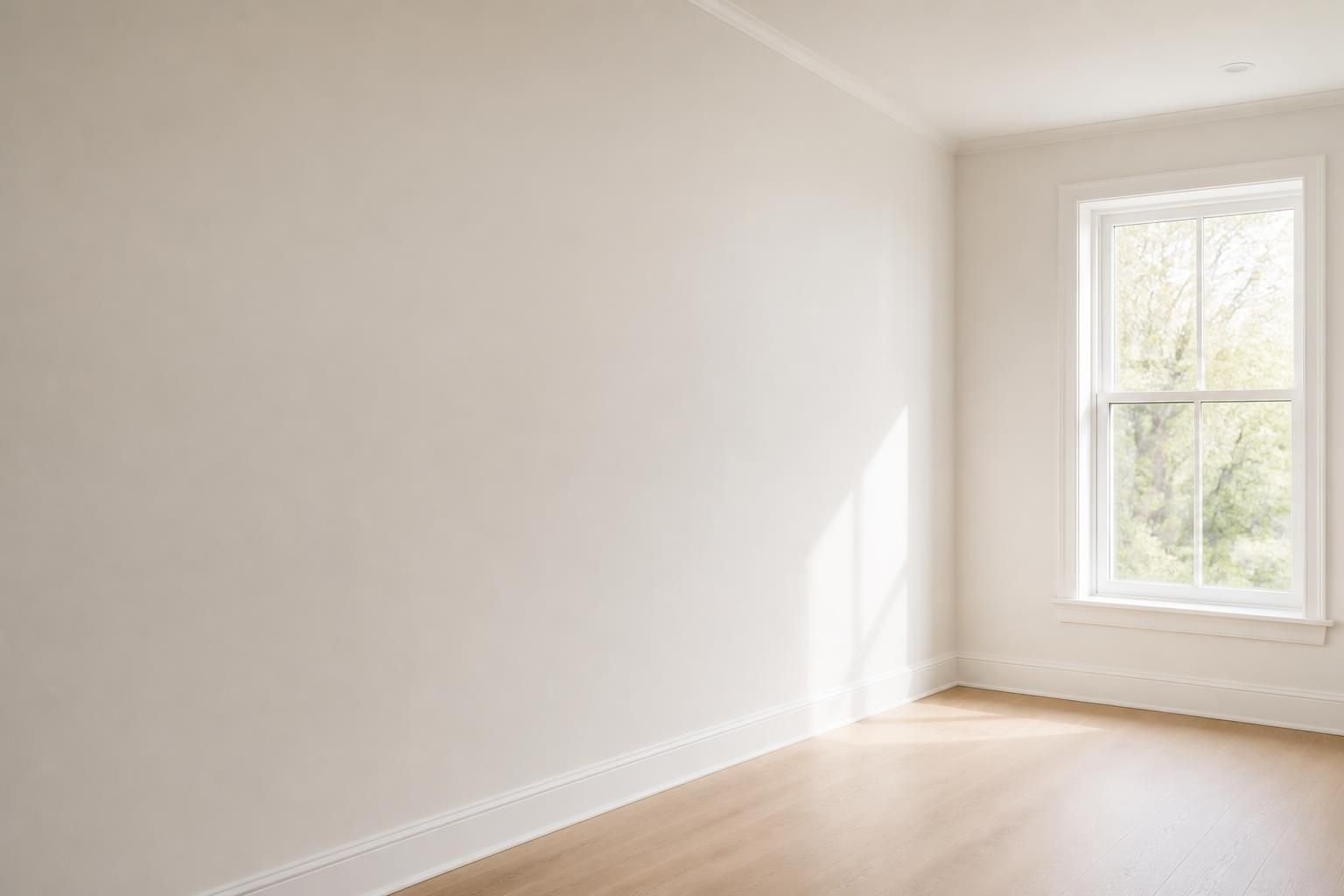
Drywall, also called sheetrock, is made of gypsum pressed between paper, and it is used inside your home for walls and ceilings. Stucco is a cement-based plaster applied to the exterior of the house, the hard, textured surface you see on the outside walls of most Arizona homes.
If you are looking at an interior wall, it is almost certainly drywall. If you are looking at the outside of your house, it is very likely stucco.
Why Mesa has so much stucco
Stucco is everywhere in Mesa and across Arizona for good reason. It is durable, fire-resistant, and stands up to the desert sun far better than many siding materials. It suits the Spanish, Mediterranean, and Southwestern architecture common across the Valley, and it lasts for decades when maintained.
But Mesa’s climate is also hard on it. The extreme swing from 110°F-plus summer highs to cool winter nights makes stucco expand and contract repeatedly, and over time that stress causes cracks. Sun exposure fades the finish, and monsoon moisture can work its way into any crack that has been left unsealed. That is why stucco crack repair is one of the most common exterior home-maintenance jobs in the area.
How the two are damaged differently
Drywall is damaged mostly from the inside: door knobs, furniture, nail pops as the house settles, and, most commonly in Mesa, water stains from roof leaks during monsoon season.
Stucco is damaged from the outside: heat-and-cold expansion cracking, settling of the home’s foundation, woodpecker holes, and moisture getting behind the surface. A hairline stucco crack may look minor, but if water gets behind the stucco it can reach the wood framing and cause rot or mold, so small cracks are worth sealing before they grow. The EPA notes that controlling moisture is the key to controlling mold, and that wet materials should be dried within 24-48 hours.
How repairs differ and the cost gap
The two need different tools, materials, and skills.
Drywall repair in Mesa typically runs $250-$850 for most jobs. The work usually includes cutting out the damaged area, patching, and matching the interior texture.
Stucco repair varies more widely. Localized crack repair and patching usually runs $400-$1,200, while larger re-coat or water-damage projects cost significantly more because they involve removing sections, replacing the lath and moisture barrier underneath, and blending the new finish into the old.
The key point for homeowners is this: when damage crosses both surfaces, such as a leak that stains interior drywall and traces back to a crack in the exterior stucco, you want one crew that handles both. Otherwise you are hiring two contractors and hoping the finishes match where their work meets.
Which does my home have? A quick check
- Interior walls and ceilings: drywall. Tap it and it usually sounds hollow.
- Exterior walls: stucco. It feels hard, textured, and cement-like.
- Some older or custom Mesa homes: may have plaster interior walls instead of drywall, which is denser and repaired differently.
If you are not sure what you are dealing with, or you have damage that seems to run from the outside in, call Mesa Elite Drywall and we will take a look and tell you exactly what is going on.