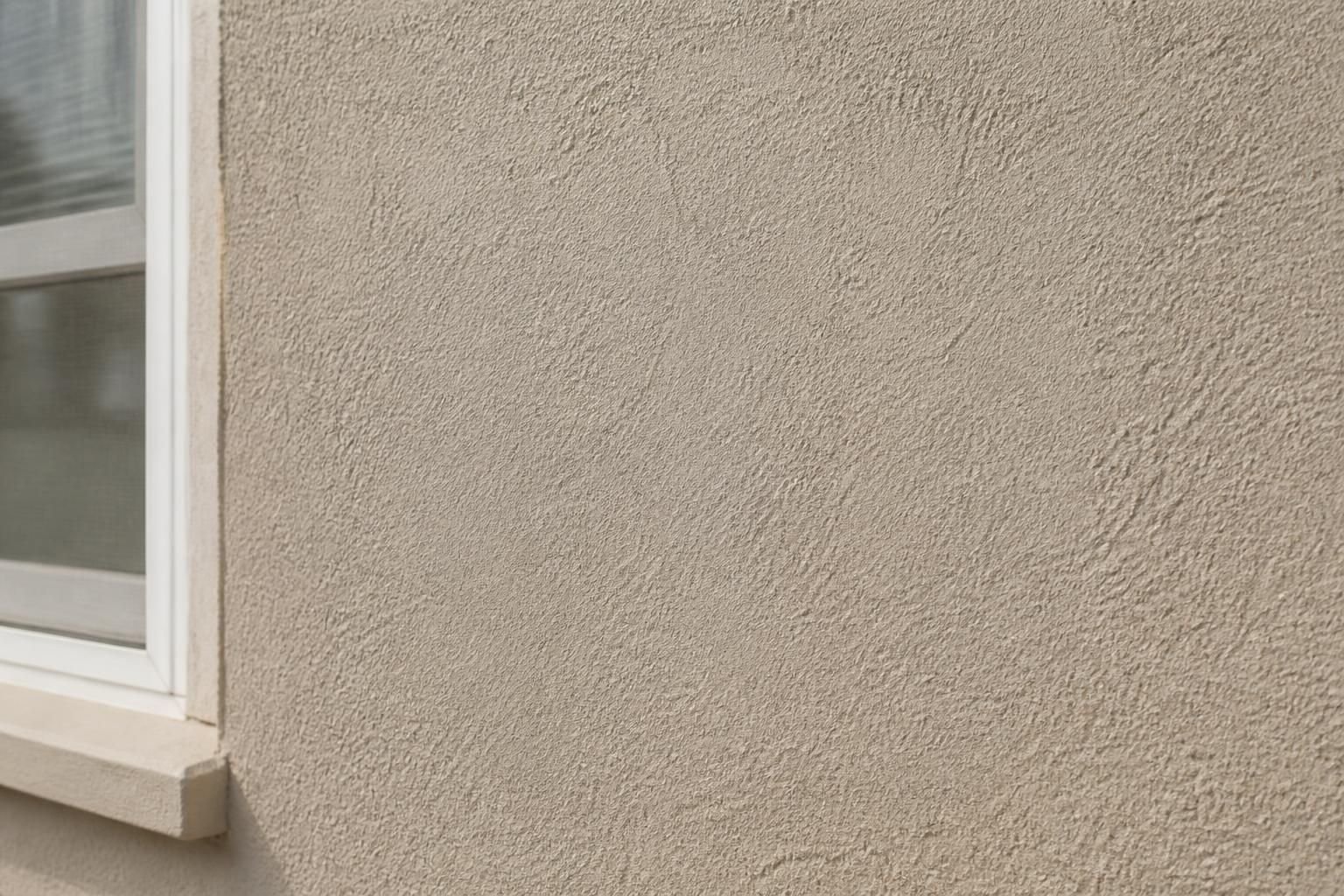
Cracks, chips, and soft spots on stucco can start small, then spread across the wall or show up again after a storm. If the surface is flaking, separating, or letting moisture show through, it is time to have it checked before the damage reaches the drywall behind it.
Mesa Elite Drywall repairs stucco at Mesa, AZ and throughout the East Valley, with a focus on clean patching, texture matching, and finish work that blends with the surrounding surface. If you are dealing with visible cracking, stucco that has pulled away, or damage around windows, rooflines, or wall openings, we can take a look and recommend the right repair.
Stucco problems are not always dramatic at first. Some start as hairline cracks, while others show up as bubbling, staining, or pieces breaking loose after rain and wind. The sooner you address the change, the easier it is to keep the repair small and the finish consistent.
Common signs that a stucco repair is needed include:
If you are seeing more than one of these at the same time, there may be more going on than a cosmetic flaw. The wall may need attention both at the surface and beneath it.
Stucco damage can come from settling, impact, water intrusion, or wear over time. We handle repairs that range from small touch-ups to larger sections that need rebuild and refinishing. Mesa Elite Drywall works to match the repaired area to the surrounding wall so the result looks like part of the original finish, not a clearly marked patch.
Small chips, dings, and shallow cracks can often be corrected by removing loose material, rebuilding the damaged spot, and shaping the finish to match nearby texture. This is often the right approach when the damage is limited and the base layer is still sound.
Cracks that keep opening or spread across a section may need more than filler. We assess the line of damage, remove unstable material, and repair the area so the surface has a cleaner, more stable finish.
One of the hardest parts of stucco repair is making the new area look like it belongs. We focus on texture, edge transitions, and finish tone so the patch does not stand out once it dries.
Stucco repair is more than covering a flaw. The surrounding material has to be prepared, the damaged section has to be cleaned out, and the final texture has to match the existing wall as closely as possible. That process changes depending on the type and depth of the damage.
That sequence matters because a patch that skips surface preparation often fails early or leaves a visible edge. A good repair starts with what the wall needs, not just what looks fast.
When stucco is affected by water, the visible damage may only be part of the story. Staining, soft spots, or cracking near rooflines and openings can point to moisture reaching the wall assembly behind the surface. In those cases, the repair should address both the damaged stucco and any affected drywall that is part of the same wall section.
We handle stucco repair alongside drywall and water damage work, which matters when the problem is not limited to one material. If the surface has been compromised by a leak, our approach is to trace the visible damage, remove compromised material, and rebuild the area so the finished wall looks clean again.
Soft or hollow-sounding stucco can indicate that the material has separated from the backing or lost strength. That does not always mean a full wall replacement, but it does mean the repair needs careful attention to what is still attached and what has to come out.
Brown marks, streaks, or discoloration may remain even after the source of the moisture is addressed. We can repair the damaged surface and prepare the area for a cleaner finish, so the wall is not left with a patchy, worn look.
Texture is what makes stucco repairs stand out or disappear. A smooth patch on a rough wall will catch the eye every time. That is why texture matching is a major part of the work, not an afterthought.
We look at the size of the pattern, the depth of the finish, and how the surrounding surface was applied. Matching the repair means shaping the surface so it fits the existing wall, whether the area is a small corner patch or a larger repaired section. When needed, we can also coordinate related drywall texture matching for transitions inside the home.
Stucco damage can show up anywhere the exterior has been stressed, but some areas tend to need attention more often because they collect movement or take more exposure. If the damage is near a seam, opening, or surface transition, it is worth having it repaired before it expands.
We commonly repair stucco around:
For homeowners and property managers at Mesa, AZ, these are the kinds of issues that can change the look of a wall quickly. A clean repair helps restore the surface before the damage becomes more noticeable.
Most stucco repairs follow a clear pattern, but every wall has its own condition. Some need only a small surface patch. Others need more removal, rebuild, and refinement to get the finish right.
When you contact Mesa Elite Drywall, we will talk through the visible damage, look at the surrounding area, and explain what the repair should cover. From there, we plan the work based on the condition of the stucco and whether any nearby drywall or interior finish has been affected.
If the repair is part of a larger remodel, addition, or wall replacement project, we can coordinate the stucco work with drywall installation or finishing so the surfaces align cleanly.
Stucco repair is often about more than appearance. A patch that blends well can help protect the wall from further wear and reduce the chance of a small defect turning into a wider section of damage. That is especially important when the repair needs to match an existing finish rather than look like a separate patch.
Mesa Elite Drywall has served Mesa and the East Valley for 15 years, and we bring that experience to stucco repair jobs that need careful blending, honest assessment, and a clean finish. We do not stop at the surface when the damage runs deeper than it looks.
If the crack is widening, branching, or repeated across the same area, it should be checked. Hairline cracks may seem minor at first, but movement or moisture can make them worse.
Yes. Small chips and shallow surface damage can often be patched and textured so they blend with the wall. The key is removing loose material before the patch goes on.
That is a major part of the work. We focus on recreating the surrounding texture so the repair does not call attention to itself after it dries.
Water-related damage may need both exterior stucco repair and attention to nearby drywall if the moisture reached the wall assembly. We look at the visible damage and recommend the right scope.
Yes. We handle anything from small patches to larger stucco sections that need rebuild and refinishing, including surfaces that tie into drywall or remodeling work.
Yes. If an older repair is cracking, separating, or standing out from the surrounding wall, we can replace the weak section and improve the finish so it blends better.
If you are looking at damaged stucco at Mesa, AZ, the next step is simple: have it assessed before the issue spreads. Mesa Elite Drywall handles stucco repair with careful patching, texture matching, and cleanup that respects your space.
Call +14804180591 to talk through the damage and set up the next step. We are ready to help restore the surface and get the wall looking like it belongs again.

Get Started
Share what needs to be repaired, replaced, or refinished, and we will help you plan the right drywall or stucco solution for your space. Every project starts with a free, no-obligation on-site estimate and clear, upfront pricing, so you know exactly what to expect before any work begins.