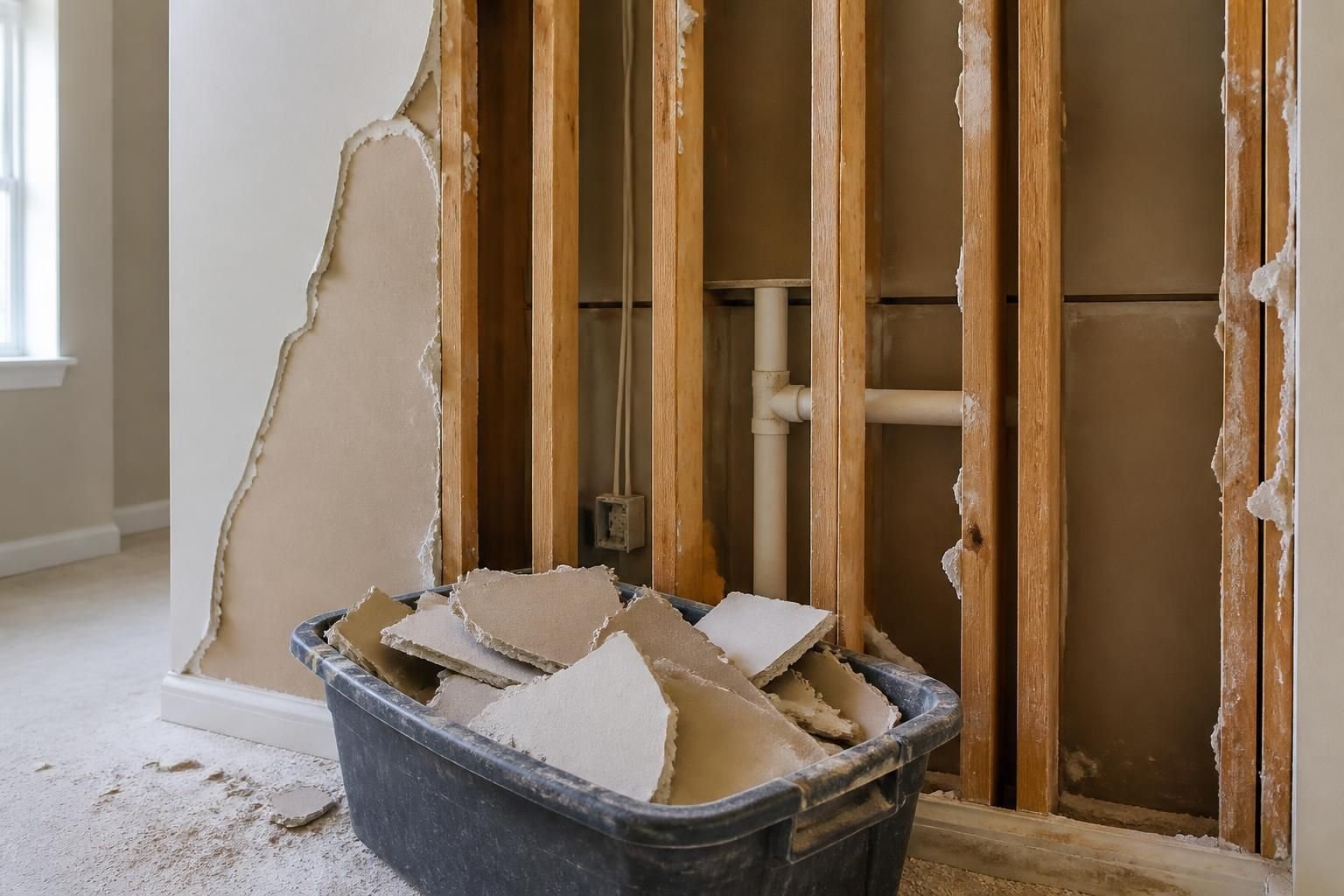
Old drywall can turn a remodel into a mess fast. Maybe a wall is coming out, a ceiling needs to be opened, or damaged sections have to be cleared before new work can begin. When the dust, debris, and hidden fasteners start piling up, you need the space stripped carefully so the next phase can move forward without delays.
Mesa Elite Drywall handles drywall demolition at Mesa, AZ for homeowners and property managers who want the room cleared with less disruption and less cleanup left behind. We remove drywall sections, ceilings, and damaged material with an eye on what still needs to be protected, then leave the area ready for repair, patching, or new installation.
Drywall demolition is not just about tearing something out. It is the step that makes repairs possible when walls or ceilings are too damaged, outdated, or inconvenient to leave in place. Some projects need only a section removed. Others need a full tear-out before new drywall can go up.
If you are seeing any of the situations below, demolition may be the right first move:
Every demolition job starts with knowing what stays and what goes. We look at the room, the damaged surface, and the path the removal will take so the work stays controlled. That matters whether the project is a single wall section or a larger area tied to a remodel.
Mesa Elite Drywall focuses on the parts of the job that affect the next trade or repair step. We remove the drywall cleanly, pay attention around corners and transitions, and keep an eye on areas where texture, framing, or nearby finishes may need to be preserved.
We discuss the scope of the demolition, which areas are being removed, and what conditions we may find once the surface is opened. This helps set the work in the right direction before any panels come down.
We strip the drywall in a controlled way, break out sections as needed, and keep debris contained as much as possible. The goal is to avoid turning a simple removal into a bigger cleanup project.
Once the material is removed, we clear out the remaining debris and leave the area ready for the next stage, whether that is drywall repair, new installation, texture matching, or ceiling work.
Drywall demolition can range from a small cutout to a full-room tear-out. The scope depends on the condition of the surface and what the next step requires. We handle demolition for both repair-driven and remodel-driven projects.
We also keep an eye out for texture and finish conditions that may affect the rebuild. If a removal exposes areas that need careful patching or matching later, we factor that into the work from the start.
Drywall demolition can create more mess than homeowners expect. Even a small tear-out leaves fine dust, broken gypsum, fasteners, and scraps that have to be handled well. The cleaner the demolition, the easier it is to move into repair or installation.
We use a work style that keeps the removal organized and the debris manageable. That means breaking material down in a way that is easier to carry out, keeping the work area contained, and not leaving loose material scattered around the room.
Many demolition jobs are not the final goal. They are the first step before something better goes back in. A wall may need to come out so new framing and drywall can be installed. A damaged ceiling may need to be cleared before new ceiling drywall goes up. A water-damaged area may need to be opened so the surface can be rebuilt cleanly.
That is where drywall demolition connects with the rest of the service. When the opening is made the right size and the edge is left ready for follow-up work, the repair is easier to finish and the end result looks cleaner.
For remodels, this also keeps the project moving. Instead of fighting old material that should have been removed earlier, the next phase can begin with a clear workspace and a better starting point.
Not every damaged wall needs a full tear-out, but some surfaces are telling you they are past patching. If you are unsure whether a section should be repaired or removed, the condition of the drywall usually gives clues.
Look for these warning signs:
When these signs show up together, demolition may save time compared with trying to build around a failing surface.
Once the drywall is removed, the space should be ready for what comes next. That might mean drywall installation, patching, finishing, or texture matching. It might also mean additional repair work if the removal exposed more damage than expected.
We do not treat demolition as a loose end. The goal is to leave the opening usable, the debris cleared, and the job lined up for the next phase. For property owners at Mesa, AZ, that matters because a clean tear-out can save time and frustration during the rebuild.
If the project involves a ceiling, a damaged wall, or an area that needs replacement after water damage or remodel work, Mesa Elite Drywall can take the surface back to a workable state without dragging the mess out longer than needed.
If the damage is small and the surrounding material is still solid, a patch may be enough. If the wall is soft, cracked widely, stained, or repeatedly repaired, demolition may be the better path.
Yes. Partial removal is common when only one section is damaged or when an opening is needed for a remodel or repair.
Yes. Ceiling drywall demolition is part of the work we handle, including areas tied to ceiling repair or replacement.
That can happen when water damage or old repairs are involved. Once the surface is opened, it is easier to see what else needs attention before new drywall goes in.
Yes. If the existing surface is too damaged to patch cleanly, removing it first gives a better base for texture matching later.
Yes. We often remove drywall for remodels, layout changes, additions, and other projects where the old surface needs to come out before new work begins.
When the drywall needs to come out, clean demolition keeps the rest of the project moving. Mesa Elite Drywall provides drywall demolition at Mesa, AZ with the kind of removal work that sets up repair, installation, and finishing without leaving the room in rough shape.
If you are planning a remodel, dealing with damaged drywall, or opening a ceiling for repairs, we can help clear the surface and prepare it for the next step.
Get Started
Share what needs to be repaired, replaced, or refinished, and we will help you plan the right drywall or stucco solution for your space. Every project starts with a free, no-obligation on-site estimate and clear, upfront pricing, so you know exactly what to expect before any work begins.