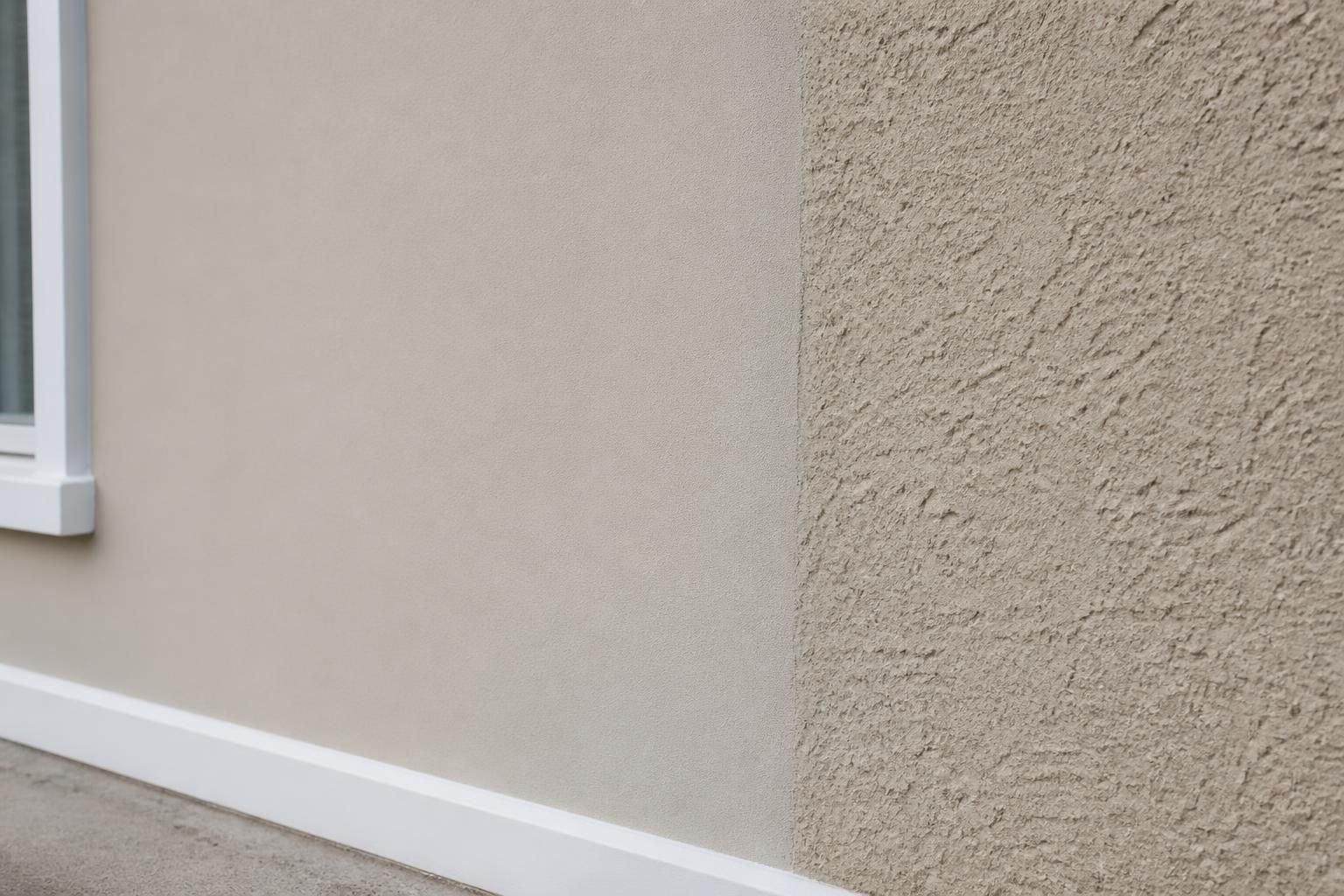
A crack that keeps growing, a soft spot near the ceiling, or a stucco patch that never seems to blend can turn a small issue into a constant eyesore. If drywall is crumbling, bubbling, or separating from the finish, the next step is getting the surface assessed before the damage spreads further.
Mesa Elite Drywall handles drywall and stucco repair for property owners at Mesa, AZ and across the East Valley. We repair the damaged area, match the surrounding texture, and leave the space tidy so the fix looks like it belongs there.
Drywall and stucco damage rarely shows up the same way twice. A patch may be needed after a leak, a wall may crack after settling, or exterior stucco may chip and expose rough edges that stand out from the rest of the surface. We handle repairs that restore both the structure and the finish.
We also handle repairs that need more than a simple fill. If the damaged section has become weak, swollen, or separated from the framing, the fix may require removal and replacement before finishing begins.
Some damage is obvious. Other problems start small and become easier to ignore than to repair, until the wall or ceiling keeps changing shape. Knowing what to look for helps you decide when a repair is needed.
If you notice more than one of these signs, a repair may involve both drywall work and stucco work so the finished surface matches cleanly.
Repair work should not feel like guesswork. When we visit a property, we look at the damaged area, identify what needs to be removed, and decide how to rebuild the surface so the result blends with the surrounding material.
We start by looking at the size of the damage, the depth of the break, and whether the problem is limited to the surface or extends behind it. That helps determine whether patching, replacement, or refinishing is the right approach.
Once the damaged section is prepared, we repair or replace the affected drywall or stucco area. For interior work, that may include patching, mud work, and finishing. For stucco, the repair has to connect with the surrounding surface so the final texture does not look isolated.
Texture is often the part people notice most after a repair. We match the existing finish as closely as possible, whether the surface has a knockdown look, a smoother finish, or another common texture pattern.
Interior drywall damage can happen from moving furniture, settling joints, roof leaks, plumbing drips, or general wear. The visible flaw may be small, but the repair still needs the right sequence so the wall reads as one continuous surface.
For drywall repair, we often focus on these details:
Drywall patching can be especially useful for isolated holes and localized damage. Larger repairs may call for drywall installation for the affected section so the surface can be rebuilt with a cleaner long-term result.
Stucco damage often shows up as cracking, chipping, or surface separation. Exterior repairs need to blend with the existing finish while also dealing with the condition of the damaged area beneath it.
When we handle stucco repair, the goal is to restore the look of the wall without leaving a hard edge or obvious patch. That may include removing loose material, rebuilding the damaged section, and applying a finish that works with the existing exterior texture.
Common stucco repair needs include:
Because stucco and drywall often share the same property issues, it helps to have one crew handle both sides of the repair instead of making separate calls for each material.
Water damage changes the repair process. A wall or ceiling that has been wet may need to dry fully before finishing can begin, and damaged sections may need to come out if they have lost strength.
We handle water damage drywall repair when leaks, roof issues, or storm-related moisture have affected the interior surface. The goal is not just to cover the stain. The damaged material has to be addressed so the repair holds up and the finish does not fail early.
Signs that water may have affected the area include discoloration, bubbling texture, swelling, sagging, and a brittle feel when touched. When these show up near stucco or drywall, both materials may need attention.
Ceilings can be the hardest place to hide a repair because every small difference catches light. That is why ceiling drywall installation, ceiling repair, and texture matching matter so much when the damaged area is overhead.
Texture matching is one of the most important parts of a clean repair. A patch that is structurally sound but visually mismatched will still stand out every time you walk into the room. We work to blend the repair with the surrounding surface so the wall or ceiling feels consistent.
For homes with older finishes, popcorn ceiling removal may also be part of the plan if the surface is being updated during the repair process. When that happens, the work has to be handled carefully so the ceiling still looks intentional after the change.
Repair work is easier when you know what the process looks like. Mesa Elite Drywall keeps the sequence straightforward so you understand what is being done and why it matters.
That process works for small drywall patches as well as larger drywall and stucco repair projects tied to remodeling or storm damage.
Mesa Elite Drywall serves Mesa, AZ and surrounding areas across Mesa and the East Valley. We regularly help property owners dealing with interior damage, exterior stucco wear, and repairs that need a texture match instead of a simple cover-up.
Areas we serve include Downtown Mesa, Lehi, Dobson Ranch, Red Mountain, The Groves, Las Sendas, Superstition Springs, Mountain Bridge, Alta Mesa, Sunland Village, Augusta Ranch, and Eastmark.
If you have a repair that needs both drywall and stucco attention, one call is often enough to get the work moving.
Drywall damage is usually found inside on walls or ceilings, while stucco damage is typically visible on exterior surfaces. Sometimes both are affected when moisture moves through a wall assembly.
Yes, many cracks can be repaired without full replacement. The key is whether the crack is cosmetic or tied to loose, weakened, or water-damaged material.
Texture affects how light hits the surface. Even a solid repair will stand out if the surrounding finish is not matched closely.
Not always. Some stained areas can be repaired if the material is still sound, but soft, swollen, or crumbling sections usually need more work.
Yes. That is one of the advantages of working with a crew that handles both materials. It can simplify the repair and keep the finish consistent.
Ceiling repairs often need extra care because the finish is more visible and harder to blend. We can address ceiling drywall damage, seams, and texture so the repair fits the rest of the room.
If you are dealing with a crack, patch, ceiling flaw, or stucco damage that keeps catching your eye, Mesa Elite Drywall can help restore the surface with a clean, matched repair. Contact us at +14804180591 to discuss the damage at Mesa, AZ and schedule the next step.
Get Started
Share what needs to be repaired, replaced, or refinished, and we will help you plan the right drywall or stucco solution for your space. Every project starts with a free, no-obligation on-site estimate and clear, upfront pricing, so you know exactly what to expect before any work begins.