Applying stucco to exterior walls is a time-tested way to give a Mesa home a durable, attractive, low-maintenance finish. But doing it well in Arizona’s climate takes preparation, the right materials, and careful timing. Whether you are curious about the process before hiring a pro or planning a project, here is how exterior stucco is applied on Mesa homes and what the desert climate demands.
The Traditional Three-Coat System
Most durable exterior stucco is applied as a three-coat system over a solid base. It starts with a weather-resistant barrier and metal lath fastened to the wall. The first coat, called the scratch coat, is pressed into the lath and scored to give the next layer something to grip. The second coat, the brown coat, builds thickness and creates a flat, even surface. Finally, the finish coat provides the color and texture you see. Each layer must cure before the next, which is why quality stucco work cannot be rushed.
Why Arizona’s Climate Changes the Approach
Applying stucco in Mesa is not the same as applying it in a mild, humid climate. Our extreme heat and low humidity cause stucco to dry very fast, and stucco that dries too quickly does not cure properly, leading to weak spots and cracking. Experienced crews plan around this: they often work in the cooler parts of the day, avoid application during the most intense summer heat, and are careful about the timing of each coat.
Moisture Curing Is Essential
Because desert air pulls moisture out so fast, proper curing means adding moisture back. Crews often mist the stucco with water during the curing period to slow drying and allow the cement to develop full strength. Skipping this step is one of the most common reasons stucco cracks prematurely in Arizona. Patience during curing directly determines how long the finish will last.
Preparing the Wall Correctly
A lasting stucco finish depends on what is underneath. The weather-resistant barrier must be properly lapped to shed water, the lath must be fastened securely, and control joints should be placed to manage the expansion and contraction our heat causes. Around windows, doors, and the base of the wall, correct flashing and a clear weep screed keep water moving out rather than getting trapped. Cutting corners here leads to problems no finish coat can hide.
Choosing Texture and Color
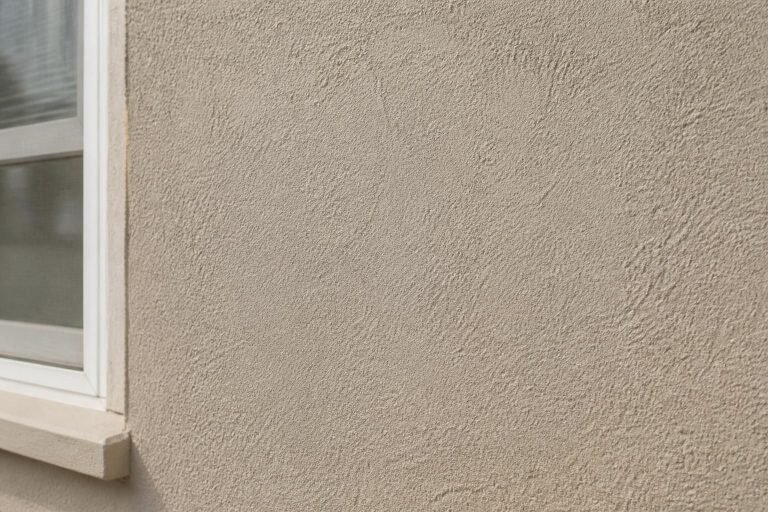
The finish coat is where your home’s look comes together. Common Arizona finishes include lace, sand, and smooth textures, and integral color can be mixed into the finish coat so the hue runs throughout rather than sitting on the surface. Many Mesa homeowners also apply an elastomeric paint afterward for added flexibility and water resistance. Matching a new section to existing stucco requires skill with both texture and color, which is a core part of professional stucco work.
New Stucco Versus Repair
Applying stucco to a full wall or new addition is a larger undertaking than patching, but the same principles apply to both: solid preparation, proper curing, and a careful texture and color match. For repairs and re-stucco work that blends invisibly into your existing walls, an experienced local crew makes all the difference.
How Long Does Stucco Take to Apply and Cure?
A three-coat stucco application is not a one-day job. Each coat must cure before the next, and traditional systems often build in several days between the scratch, brown, and finish coats, plus curing time for the finish. In total, a proper exterior stucco project can span one to two weeks depending on the size of the home, weather, and system used. In Mesa’s heat, crews also plan curing carefully, misting the surface to prevent it from drying too fast. Rushing any stage is the surest way to end up with cracks.
One-Coat Versus Three-Coat Systems
You may hear about “one-coat” stucco systems, which use a fiberglass-reinforced base applied over foam board in a single thicker coat, followed by a finish coat. These can be faster and are common on some newer builds. Traditional three-coat stucco, applied over lath, remains the most durable and time-tested option, especially for repairs and re-stucco work that must match existing walls. The right choice depends on your home’s existing construction, and matching an existing finish usually means staying with the same system.
Maintaining New Stucco
Fresh stucco still needs care. Give new stucco time to fully cure before painting, keep sprinklers off the walls, and inspect it seasonally like any other exterior. Sealing the occasional hairline crack early and keeping water directed away from the base will help a quality stucco finish last for decades in Arizona’s climate. When it is time for repair or a color update, an experienced local crew can blend new work seamlessly into the original.
Why Professional Application Pays Off
Stucco rewards experience. The details that determine whether a finish lasts for decades, correct lath and barrier prep, proper coat thickness, control joint placement, and careful moisture curing in the heat, are exactly the parts that are easy to get wrong. A seasoned local crew also knows how to match an existing texture and color so new work blends in rather than standing out. For a finish that protects your Mesa home and looks right, professional application is well worth it.
Work With a Local Mesa Stucco Team
Exterior stucco is a craft, and in Arizona’s climate the details of timing and curing determine whether it lasts for decades or cracks within a season. Mesa Elite Drywall handles stucco repair and combined drywall and stucco projects across Mesa and the East Valley, from Las Sendas to neighborhoods throughout the city. To plan your project, explore our services, request a free estimate, or call+1-480-690-2749.