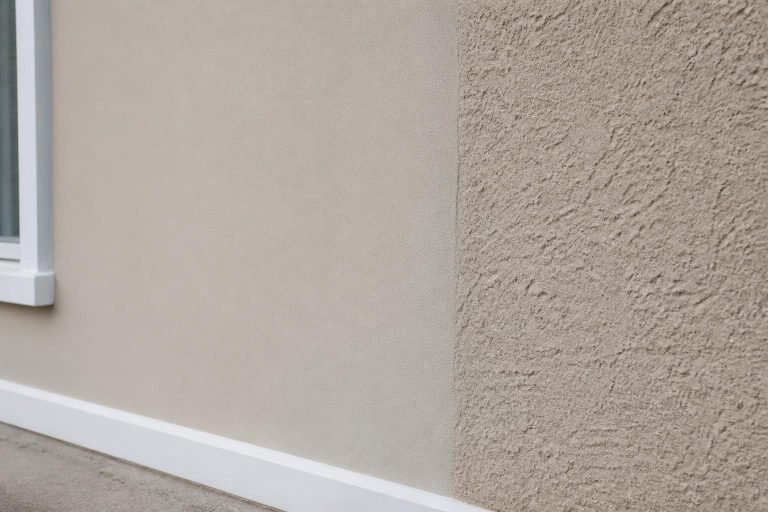
Stucco is one of the most popular exterior finishes on Mesa homes, and for good reason: it is durable, attractive, and well suited to the desert. But Arizona’s climate is uniquely hard on stucco. Relentless summer heat, monsoon downpours, blowing dust, and the natural movement of desert soil all take a toll. A little routine maintenance goes a long way toward preventing the cracks and water damage that lead to expensive repairs. Here are practical stucco maintenance tips for the Arizona climate.
Inspect Your Stucco Twice a Year
The single most valuable habit is a simple seasonal walk-around. Inspect your exterior walls in spring, before the summer heat, and again in fall, after monsoon season. Look for hairline cracks, chips, staining, soft spots, and any areas where the finish is separating from the wall. Catching problems early is the difference between a quick seal and a major repair.
Understand Why Arizona Stucco Cracks
Some cracking is normal, but knowing the cause helps you respond. Intense heat causes stucco to expand and contract daily, fatiguing the material over time. Monsoon moisture drives water into any opening, where it can damage the underlying paper and lath. And Mesa’s expansive desert soils swell and shrink with moisture, subtly shifting foundations and transferring stress into rigid stucco. Hairline cracks are usually cosmetic, but wider or stair-step cracks can signal movement that deserves a closer look from a stucco repair professional.
Seal Cracks Before They Spread
The most important maintenance step is sealing cracks early, ideally in spring before the summer heat widens them. Even a hairline gap lets water reach the structure during monsoon season, and moisture behind stucco leads to far more expensive damage. Small cracks can be sealed with a quality elastomeric sealant, but for anything beyond hairline cracks, or for a color and texture match that blends in, professional repair is the smarter choice.
Keep Water Away From Walls
Much of Arizona’s stucco damage traces back to misdirected water. Check that sprinklers are not spraying directly onto walls, since repeated wetting erodes stucco and encourages staining. Make sure gutters and downspouts, where present, carry roof runoff away from the base of the walls. Maintain proper grading so water drains away from the foundation, and keep soil and mulch from piling against the stucco, which traps moisture.
Watch the Weep Screed and Base
The bottom edge of your stucco has a weep screed that lets moisture escape. Keep this area clear of soil, gravel, and plants so it can do its job. Stucco that sits in constant contact with wet soil will deteriorate from the bottom up, so maintaining a clear gap at the base protects the whole wall.
Clean Gently and Repaint When Needed
Dust and grime build up on Mesa stucco quickly. Rinse walls with a garden hose and a soft brush; avoid high-pressure washers, which can force water behind the finish and chip the surface. A quality exterior paint or elastomeric coating not only refreshes the look but adds a protective, somewhat flexible layer that helps bridge minor cracks and shed water. Most stucco benefits from repainting every several years in our climate.
Address Water Stains Quickly
Brown or discolored streaks on stucco often point to a roof, flashing, or gutter issue above. Because water travels, the source may be some distance from the stain. Interior water stains that appear alongside exterior stucco problems may also call for water damage drywall repair inside. Acting quickly keeps a small issue from becoming a structural one.
A Simple Seasonal Stucco Checklist
Keeping stucco healthy in Mesa comes down to a short seasonal routine. In spring, walk the perimeter and seal any cracks before summer heat widens them, check that sprinklers are not hitting the walls, and clear soil and mulch away from the base. In fall, after monsoon season, inspect for new cracks, water stains, and soft spots, and clean off dust and grime with a gentle rinse. Twice a year, confirm that downspouts and grading carry water away from the foundation. This ten-minute habit prevents the majority of costly stucco repairs.
When to Repaint Versus Repair
Repainting and repairing solve different problems. A quality exterior or elastomeric coating refreshes the look, adds water resistance, and can bridge very fine hairline cracks, so repainting every several years is good preventive maintenance. But paint cannot fix active cracking, separation, or moisture damage; those need actual repair first. A good rule of thumb: if you can catch a fingernail in a crack or see staining, repair before you paint. Painting over a real problem only hides it while the damage continues underneath.
Signs You Need a Professional
Some stucco issues are beyond routine maintenance. Wide cracks, stair-step cracking, bulging or soft areas, and recurring water stains all point to problems that deserve a professional look, since they can signal moisture intrusion or structural movement. If cracks keep returning after you seal them, or if damage covers a large area, a pro can identify the underlying cause and repair it properly with a matching texture and color, protecting your Mesa home for the long term.
Protect Your Mesa Home Year-Round
Routine stucco maintenance is one of the most cost-effective ways to protect a Mesa home. A twice-yearly inspection, early crack sealing, and smart water management prevent the majority of expensive repairs. When you do need professional help, Mesa Elite Drywall handles stucco repair and combined drywall and stucco repair across Mesa and the East Valley, from Mountain Bridge to every neighborhood we serve. Request a free estimate or call+1-480-690-2749.