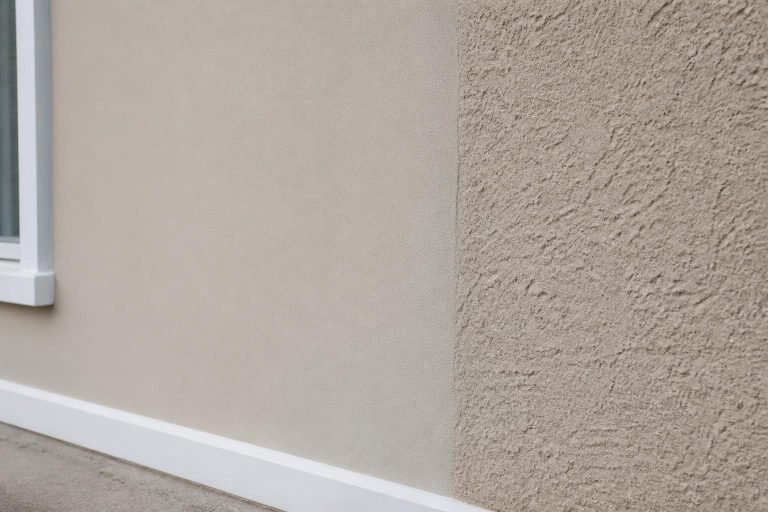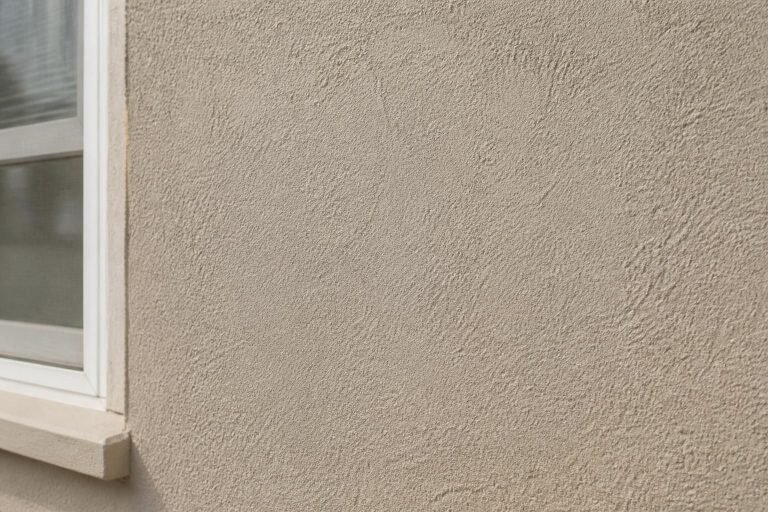
Most ceiling and wall problems in Mesa homes come from one of four causes: monsoon water leaks, the house settling, heat-driven expansion, or nail pops as building materials shift. Below are the problems homeowners search for most, what each one means, and how it gets fixed.
Why is there a brown or yellow stain on my ceiling?
A brown or yellow stain almost always means water. In Mesa, the usual culprit is a monsoon-season roof leak or a plumbing issue in the ceiling above. Monsoon storms are Arizona’s most damaging weather season for homes, and the National Weather Service’s monsoon safety page covers what to watch for. The stain itself is the visible edge of moisture that has soaked into the drywall.
The fix: Find and stop the water source first. Repairing the drywall without fixing the leak just means the stain comes back. Then the damaged section is cut out, the area confirmed dry, and new drywall patched in, textured, and repainted to match. Left alone, a small stain spreads and can lead to sagging or mold, so it is worth addressing early.
Why is my ceiling sagging or bulging?
A sagging or bulging ceiling is a more serious version of water damage. The drywall has absorbed enough moisture to lose its strength. Less often, it can also be a sign that the drywall was poorly fastened. This one should not wait, because saturated drywall can eventually fail.
The fix: The affected section is removed, the moisture source corrected, and new drywall installed and finished. Any insulation above that got wet is checked too.
Why are there cracks above my doors and windows?
Cracks that appear at the corners of doors and windows are usually caused by the house settling and by Arizona’s heat-driven expansion and contraction. The corners of openings are stress points, so that is where cracks show up first. Most are cosmetic, though recurring cracks can point to ongoing movement.
The fix: The crack is taped, patched with compound, sanded, and re-textured to blend. If a crack keeps returning after repair, it is worth having the underlying movement looked at.
Why do I have small round bumps or pops in my wall?
Those small circular bumps or popped spots are nail pops. These happen when drywall fasteners back out slightly as framing expands, contracts, and settles over time. They are extremely common and mostly cosmetic.
The fix: The fastener is re-secured, the spot patched and sanded, and the texture matched. This is usually quick and inexpensive when done as part of normal repair.
Why is the drywall tape peeling or seams showing?
Visible seams or peeling tape usually mean the original taping was not fully bonded, or that moisture and temperature swings have worked it loose. Arizona’s dry heat and humidity swings can accelerate the problem.
The fix: The loose tape is removed, the seam is re-taped and re-mudded, then sanded and textured so it disappears.
When to call a professional
Small nail pops and hairline cracks are minor. But if you are seeing water stains, a sagging ceiling, cracks that keep coming back, or any sign of mold, those are worth a professional look. A proper repair should fix the drywall and also catch the underlying cause. Per EPA guidance on mold and moisture, the underlying water problem has to be fixed or the mold returns.
If any of these sound familiar, call Mesa Elite Drywall and we will take care of it.